Why You’re Not Lazy — You’re Just Overloaded
The Science, Psychology and Productivity Cost of Chronic Overwhelm.
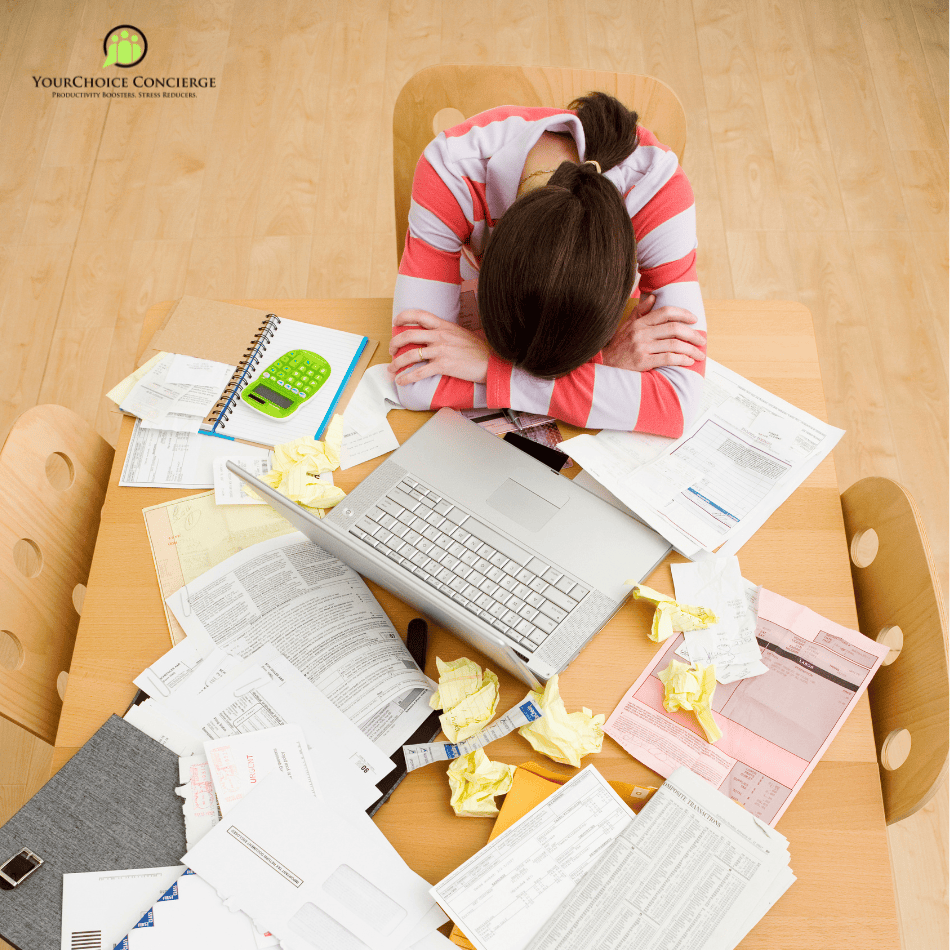
Have you ever sat down with a full to-do list, plenty of time, and somehow… you still couldn’t start? Then the guilt kicks in. What’s wrong with me? Why am I so lazy? But what if I told you this: you’re not lazy — you’re overloaded. And you’re not alone. So many people today feel unmotivated, stuck, exhausted, and mentally foggy. Chronic overwhelm has become so normalized that we rarely question it — even as it quietly destroys our productivity, confidence, and health. Even simple tasks like answering a text, responding to an email, or making a grocery list can start to feel heavy. That’s often when self-doubt creeps in, and you begin questioning your work ethic or discipline. In reality, your brain has simply been pushed past its sustainable limits. Let’s break down what’s actually happening — and how to recover.
Laziness vs. Overload: Understanding the Difference
Before we go any further, it’s important to clear up one of the biggest misconceptions about productivity. Laziness is a lack of desire to do something. Overload is an inability to do everything. From the outside, overload can look like laziness. But on the inside, it feels like drowning. Overloaded people usually care deeply about their responsibilities — and that’s exactly the problem. They’re carrying too much mental, emotional, or logistical weight for one person to handle.

Common Signs of Being Overloaded
You may be dealing with chronic overload if you:
- Feel tired even after getting enough sleep
- Feel constantly behind despite going nonstop
- Struggle to focus like you used to
- Dread simple or routine tasks
- Feel more emotional — or oddly numb
- Forget things more often
- Avoid things you care about
- Feel guilty for resting
The Different Types of Overload
Overload isn’t just one thing — it shows up in several forms, often all at once.
Cognitive overload: Too much information, constant notifications, emails, and input
Emotional overload: Too many feelings, expectations, and emotional demands
Time overload: Too many tasks and not enough hours
Decision overload: Too many choices to make every day
Responsibility overload: Too many people depending on you
Most people aren’t dealing with just one type. For example, you might be emotionally overloaded from supporting others while also experiencing cognitive overload from constant digital noise. When these layers stack on top of each other, even small tasks can feel monumental. Understanding which type of overload you’re experiencing helps you target the right solution — instead of trying to power through everything.

What Chronic Overload Does to Your Brain
Your brain has limits, including limited working memory. On average, it can only hold about 4–7 things at a time. When that capacity is exceeded:
Focus drops
Reaction time slows
Mistakes increase
Memory worsens
Your brain doesn’t push harder — it shuts down.
The Role of Stress Hormones
When you’re overloaded, your body releases cortisol and adrenaline. While helpful in short bursts, chronic stress hormones cause:
Brain fog
Reduced creativity
Emotional instability
Sleep disruption
A weakened immune system
This puts your body and brain into survival mode. You stop thinking long-term and start reacting short-term. That’s when you:
Procrastinate
Avoid tasks
Scroll mindlessly
Lose focus
Forget things
Zone out
This isn’t laziness.It’s biology. Your brain reroutes energy away from planning and decision-making and toward survival. When you choose “easy” tasks or avoidance over important work, it’s not a character flaw — it’s your nervous system trying to protect you from overload.
Why Being Busy Doesn’t Equal Being Productive
One of the most common traps overloaded people fall into is believing that doing more automatically means getting more done. In reality, chronic overwhelm leads to counterproductive behaviors such as:
Jumping between tasks
Starting many things but finishing few
Focusing on minor tasks while avoiding important ones
The result?
Slower performance
Lower quality work
More errors
Increased frustration
This creates a vicious cycle where overload leads to inefficiency, which leads to more overload.
Decision Fatigue: The Hidden Productivity Killer
Every decision you make drains a small amount of mental energy. And you make far more decisions each day than you realize:
What should I do first?
How should I reply to this email?
What should I wear?
What should I make for dinner?
Eventually, your brain hits its limit. That’s when you might find yourself doom scrolling, binge watching, snacking constantly, avoiding work, or feeling unusually irritable. This isn’t laziness — it’s decision fatigue. Decision fatigue also explains why end-of-day choices feel impossible. You might make great decisions all morning, but by evening, even choosing dinner feels overwhelming. Once your mental battery is depleted, your brain defaults to whatever requires the least effort.
The Emotional Cost of Being Overloaded
Overload doesn’t just affect productivity — it takes a major emotional toll. It quietly creates:
Chronic guilt
The feeling of never being good enough
Shame
Burnout
Anxiety and depression
Loss of identity
Negative self-talk
Over time, you may start doubting your abilities, comparing yourself to others, and feeling constantly behind. You might even feel disconnected from things you used to enjoy. Overload erodes your sense of identity until you start believing the problem is you, not the weight you’re carrying. Have you ever thought:
“I should be able to handle this.”
“Other people can do this.”
“Why am I failing?”
You’re not failing. The system you’re living in is failing. We live in a culture that glorifies busyness and equates productivity with worth. Humans were never designed to operate at this pace — juggling work, family, relationships, health, communication, decisions, and constant digital noise with little support. Feeling overwhelmed doesn’t mean you’re weak. It means you’re human.

How to Recover From Overload
The good news? Overload is not permanent. With the right strategies, you can rebuild your energy, clarity, and sense of control.
1. Reduce Input Instead of Adding Effort
Stop asking, “How do I do more?” and start asking, “What can I eliminate or delegate?”. This includes declining non-essential commitments and setting boundaries.
2. Write Everything Down
Getting thoughts out of your head and onto paper reduces mental clutter. A list feels far lighter than dozens of swirling thoughts.
3. Delegate Whenever Possible
You don’t need to carry everything:
Every errand
Every decision
Every detail
Every responsibility
Asking for help isn’t weakness — it’s a strategy. If you don’t have people in your life that can help you, give us a call at YourChoice Concierge. It’s what we do. We make life easier for you by taking some of those tedious tasks and responsibilities off of your plate.
4. Create White Space
Your brain needs boredom, silence, and stillness to reset. Even 15 minutes of nothing — no phone, no interruptions — can restore clarity. White space isn’t wasted time. It’s recovery time.
Final Takeaway
If there’s one thing to remember, it’s this:
You’re not lazy.
You’re not broken.
You’re not unmotivated.
You’re overloaded. And overload is a very fixable problem — with boundaries, systems, support, and self-compassion. Productivity doesn’t come from working harder. It comes from removing what weighs you down. So today, don’t ask, “How can I do more?” Ask, “What can I let go of?” That small shift could change everything.